Uncategorized
What Are Research Peptides?A Complete Beginner’s Guide (2026)
25
Jun
Jun
What Are Research Peptides? A Complete Beginner’s Guide (2026)
Research peptides have exploded in popularity in scientific circles and wellness communities. But what exactly are they, how do they work, and why the distinction between “research” peptides and approved medications? This guide breaks it down clearly.
What Are Research Peptides?
**Peptides** are short chains of amino acids—the building blocks of proteins. While proteins typically contain hundreds or thousands of amino acids, peptides are much smaller, usually ranging from **2 to 50 amino acids** long.
Your body naturally produces thousands of peptides that act as signaling molecules. They function as:
– Hormones (e.g., insulin)
– Neurotransmitters
– Growth factors
– Immune modulators
**Synthetic research peptides** are lab-created versions designed to mimic or enhance these natural functions for scientific study.
What Are Research Peptides?;Why are they different
**Research peptides** (also called research chemicals or RUO — Research Use Only) are compounds sold **exclusively for laboratory and preclinical research**. They typically come with a clear disclaimer: **“Not for human consumption.”**
### Key Differences for What Are Research Peptides?
– **Therapeutic/FDA-approved peptides**: These are rigorously tested drugs (e.g., semaglutide in Ozempic/Wegovy, or certain insulin analogs) prescribed by doctors.
– **Research peptides**: Higher-risk gray-market versions sold online for lab use. They often lack the same sterility, purity, or regulatory oversight standards as pharmaceutical-grade products.
Suppliers emphasize they are for *in vitro* (test tube) or animal studies only.
What Are Research Peptides? How Do Research Peptides Work?
Peptides bind to specific receptors on cells, triggering targeted biological responses with high precision and generally lower immunogenicity than larger proteins.
Researchers study them for potential roles in:
– Tissue repair and inflammation
– Hormone regulation (e.g., growth hormone secretagogues)
– Metabolic processes
– Neuroprotection
– Immune modulation
## Popular Research Peptides and Their Studied Applications
Here are some commonly researched peptides (for informational purposes only):
– **BPC-157**: Derived from a gastric protein; widely studied for gut healing, tendon/ligament repair, and anti-inflammatory effects.
– **TB-500 (Thymosin Beta-4)**: Researched for tissue regeneration, wound healing, and muscle recovery.
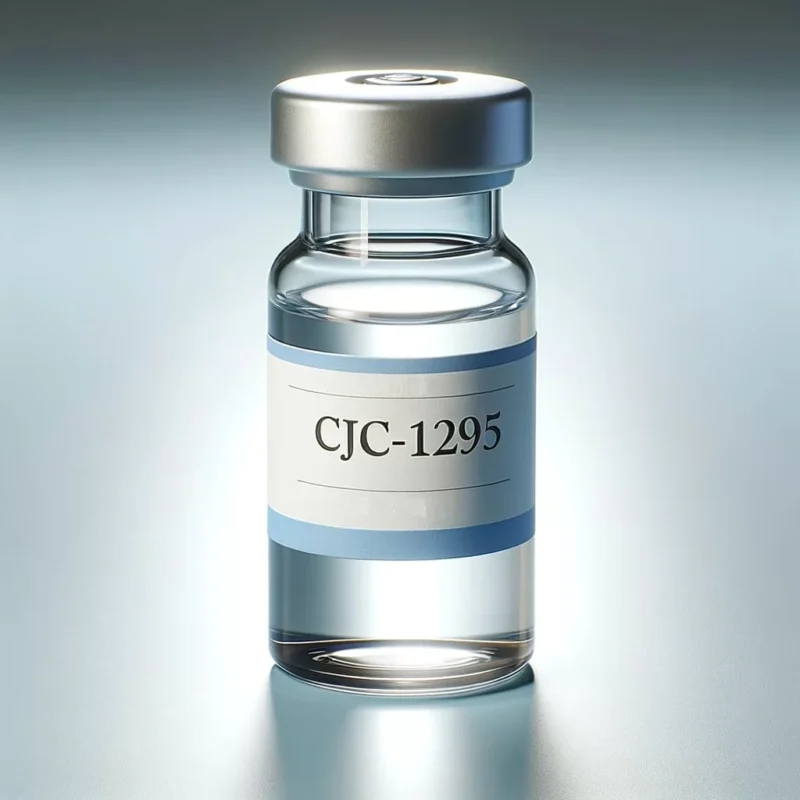
– **CJC-1295 + Ipamorelin**: Growth hormone-releasing combinations studied for muscle growth, fat loss, and anti-aging.
– **Semax / Selank**: Nootropic peptides researched for cognitive enhancement and anxiety.
– **GHK-Cu**: Copper peptide studied for skin health, wound healing, and antioxidant properties.
**Note**: Many of these remain in preclinical or early research stages. Human data is limited, and results vary.
## Benefits Explored in Research
Studies suggest potential advantages in areas like:
– Accelerated healing and recovery
– Improved body composition
– Enhanced cognitive function
– Anti-inflammatory and anti-aging effects
However, **most benefits are from animal or in-vitro studies**. Human clinical evidence for many research peptides is still emerging or insufficient for broad medical recommendations.
## Legality and Safety Considerations
**In the US and many countries**:
– Research peptides are **legal to buy and possess for legitimate laboratory research**.
– They are **not legal or approved for human consumption**.
– Selling or marketing them with therapeutic claims can violate FDA regulations.
**Safety risks** include:
– Variable purity and contamination
– Unknown long-term side effects
– Lack of proper dosing guidelines for humans
– Potential interactions with medications
Always prioritize FDA-approved options when available and consult qualified healthcare professionals. Research peptides are **not supplements** or medicines.
## Who Uses Research Peptides?
Primarily:
– Academic and pharmaceutical researchers
– Biotechnology labs
– Preclinical development teams
Some individuals purchase them from the gray market for personal experimentation, which carries significant legal and health risks.
## How to Identify Quality Research Peptides (For Labs)
Look for suppliers offering:
– Third-party HPLC + MS testing (purity certificates)
– Batch-specific COAs (Certificates of Analysis)
– Clear “Research Use Only” labeling
– Transparent manufacturing info
Reputable vendors publish independent lab results.
## Future of Peptide Research
The peptide field is rapidly advancing. Therapeutic peptides are already successful in areas like diabetes, cancer targeting, and hormone disorders. Ongoing research explores more stable, orally bioavailable versions and novel applications in regenerative medicine.
## Conclusion
Research peptides are fascinating tools in modern science—short amino acid chains with powerful signaling potential. While they hold promise, they are strictly for laboratory research and not intended for self-experimentation.
**Stay informed, prioritize safety, and follow regulatory guidelines.** For medical needs, work with licensed providers using approved therapies.
—
### Frequently Asked Questions (FAQ)
**Q: Are research peptides the same as steroids?**
No. Peptides are amino acid chains; steroids are lipid-based hormones with different mechanisms.
**Q: Can I buy research peptides legally?**
Yes, for research purposes. No, for human use in most jurisdictions.
**Q: What’s the difference between peptides and proteins?**
Peptides are shorter (typically <50 amino acids); proteins are longer and more complex.
**Q: Do research peptides require refrigeration?**
Lyophilized (freeze-dried) powders are stable at room temperature, but reconstituted solutions usually need refrigeration.
**Ready to dive deeper?** Subscribe for more science-backed guides on emerging research compounds, or leave a comment with your questions!
*Disclaimer: This article is for educational and informational purposes only. It does not constitute medical advice. Research peptides are not approved for human consumption. Consult professionals for health-related decisions.*
