
Injectable Peptides are high-purity research compounds supplied in lyophilized form for reconstitution and laboratory injection studies. This category includes widely used peptides such as **BPC-157**, **TB-500**, and **Semaglutide**, favored by researchers for their stability, bioavailability, and effectiveness in *in vivo* experimental models.
These peptides are essential tools for studies requiring systemic or localized delivery through injection routes (subcutaneous, intramuscular, or intraperitoneal).
**Popular Products in This Category:**
– **BPC-157** – Highly popular injectable peptide for tissue repair and regeneration research
– **TB-500** – Injectable peptide studied for muscle recovery, wound healing, and actin regulation
– **Semaglutide** – Long-acting GLP-1 analog used in metabolic, appetite, and diabetes-related research
**Key Research Applications:**
– Systemic tissue repair and recovery studies
– Metabolic function and weight regulation
– Muscle, tendon, and ligament research
– Gastrointestinal and organ protection
– Long-term peptide administration models
– Comparative bioavailability studies
### **Benefits of Our Injectable Peptides**
– ≥98% purity verified by HPLC and Mass Spectrometry
– Optimized for reconstitution and injection in laboratory settings
– Includes top injectable research peptides: **BPC-157**, **TB-500**, and **Semaglutide**
– Excellent stability after reconstitution
– Full COA and analytical data provided
– Strictly for *in vitro* and *in vivo* research use only
—
### **Sample FAQ Section**
**What are injectable peptides used for?**
Injectable peptides are used in laboratory research to study systemic effects, tissue distribution, and biological responses through controlled injection methods.
**What is BPC-157 commonly studied for via injection?**
BPC-157 is widely researched for its regenerative properties when administered via injection, particularly in tendon, muscle, and gastrointestinal tissue models.
**What does TB-500 do in injectable form?**
TB-500 is studied for promoting cell migration, angiogenesis, and tissue repair when used as an injectable research peptide.
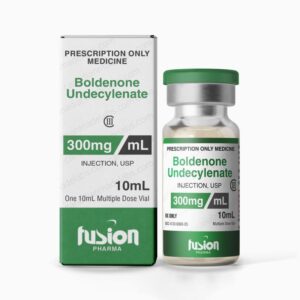
INJECTABLES PEPTIDES
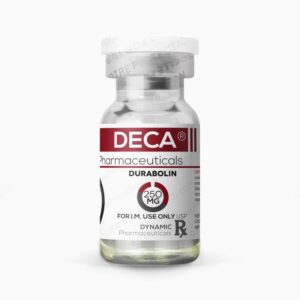
INJECTABLES PEPTIDES
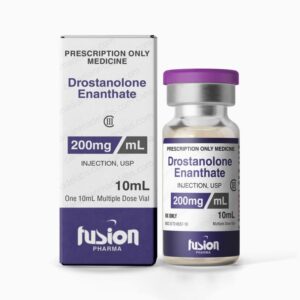
INJECTABLES PEPTIDES
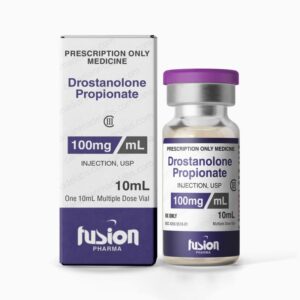
INJECTABLES PEPTIDES
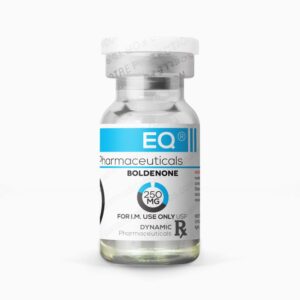
INJECTABLES PEPTIDES
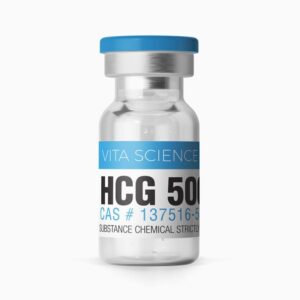
INJECTABLES PEPTIDES
INJECTABLES PEPTIDES
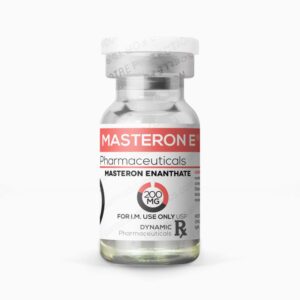
INJECTABLES PEPTIDES
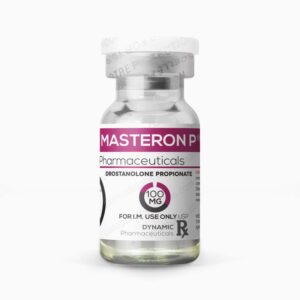
INJECTABLES PEPTIDES
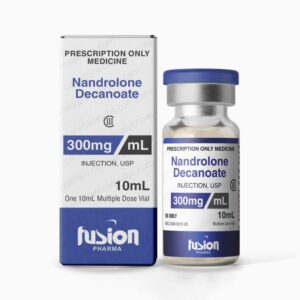
INJECTABLES PEPTIDES
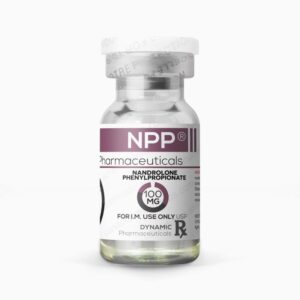
INJECTABLES PEPTIDES
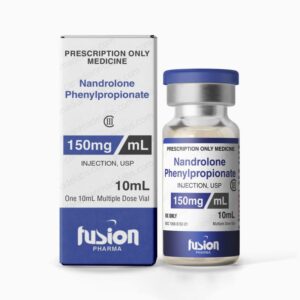
INJECTABLES PEPTIDES