**GW-501516 10mg (50 Tablets) – Comprehensive Research Guide
GW-501516 10mg**, also known as **Cardarine** or **Endurobol**, is a potent **PPARδ (Peroxisome Proliferator-Activated Receptor Delta) agonist** that has attracted significant scientific interest for its potential effects on metabolism, endurance, and fatty acid oxidation. Originally developed for the treatment of metabolic and cardiovascular conditions, **GW-501516 10mg** activates pathways that shift energy substrate preference toward fat utilization while sparing glycogen.
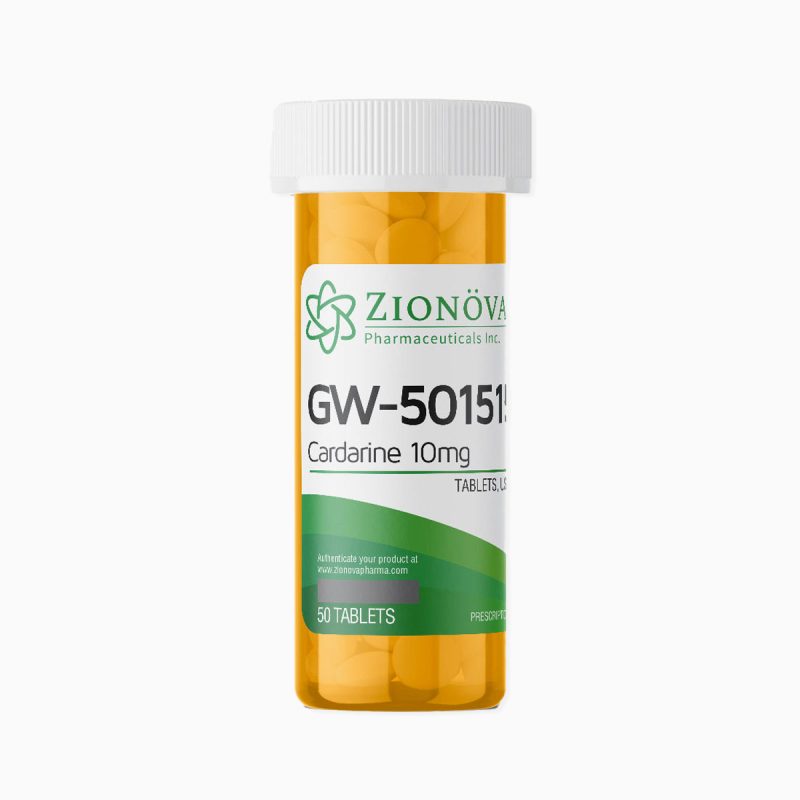
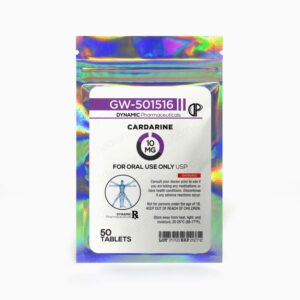
Each bottle of **GW-501516 10mg** contains 50 precisely dosed tablets, delivering a total of 500mg of active compound. This oral tablet format provides researchers with convenient, accurate dosing for protocols investigating endurance capacity, lipid metabolism, body composition, and exercise performance models. Unlike traditional stimulants or anabolic agents, **GW-501516 10mg** works through nuclear receptor modulation, offering a unique metabolic research profile.
This detailed 2000+ word guide explores every facet of **GW-501516 10mg** — its molecular mechanisms, research applications, specifications, protocols, important safety considerations from preclinical and clinical data, comparisons, and potential synergies with regenerative peptides.
Mechanism of Action of GW-501516 (10MG) (50 TABLETS)
**GW-501516 10mg** selectively activates PPARδ, a nuclear receptor highly expressed in skeletal muscle, liver, and adipose tissue. Upon binding, it heterodimerizes with RXR and regulates gene transcription involved in fatty acid transport, β-oxidation, and mitochondrial biogenesis.
This leads to increased expression of genes such as CPT1, PDK4, and UCP3, promoting fat burning as an energy source while improving endurance by delaying glycogen depletion. Animal studies have shown dramatic enhancements in running performance and metabolic efficiency. In limited human trials, doses of 2.5–10 mg demonstrated improvements in lipid profiles (increased HDL, decreased triglycerides) and metabolic markers.
**GW-501516 10mg** exhibits high oral bioavailability and a relatively long half-life, supporting once-daily administration in research settings. Its effects on AMPK and PGC-1α pathways further contribute to its reputation in metabolic and performance research.
### Key Research Benefits Explored with GW-501516 10mg
Researchers study **GW-501516 10mg** across several metabolic and performance-related areas.
**Endurance and Exercise Capacity**: Preclinical models showed substantial increases in running time and distance, attributed to enhanced fatty acid oxidation and mitochondrial function. This makes **GW-501516 10mg** a key tool for studying endurance physiology and fatigue resistance.
**Fat Metabolism and Body Composition**: Activation of PPARδ promotes lipolysis and fat utilization, supporting research into obesity, dyslipidemia, and body recomposition models. Studies noted favorable shifts in lipid parameters with reduced triglycerides and improved HDL cholesterol.
**Cardiovascular and Metabolic Health**: Early clinical investigations explored potential benefits for insulin sensitivity, glucose handling, and overall metabolic syndrome parameters, positioning **GW-501516 10mg** in diabetes and cardiovascular research contexts.
**Muscle Preservation and Recovery**: By shifting energy substrate use, **GW-501516 10mg** may help preserve muscle glycogen during prolonged activity, relevant for performance and recovery studies.
**Anti-Inflammatory and Antioxidant Pathways**: PPARδ modulation influences inflammatory signaling, though this area requires further investigation in controlled models.
### Product Specifications of GW-501516 10mg (50 Tablets)
– **Active Compound**: GW-501516 (Cardarine)
– **Dosage per Tablet**: 10mg
– **Tablet Count**: 50
– **Total Active Content**: 500mg
– **Form**: Compressed tablets designed for stability and consistent oral delivery
– **Purity**: Third-party lab tested for potency, identity, and impurities (COA available upon request)
– **Chemical Formula**: C₂₁H₁₈F₃NO₃S₂
– **Molecular Weight**: 453.5 g/mol
– **Storage**: Cool, dry place protected from light and moisture
– **Intended Use**: Strictly for research and laboratory purposes only
The tablet formulation of **GW-501516 10mg** ensures dosing precision superior to many liquid alternatives in experimental settings.
### Suggested Research Protocols Using GW-501516 10mg
Research protocols for **GW-501516 10mg** commonly explore doses in the 5–20 mg/day range, with the 10mg tablet strength ideal for standard and titration studies.
**Standard Protocol**: 10mg (1 tablet) daily, typically taken in the morning to align with metabolic activity, for 4–12 weeks depending on study design.
**Advanced Protocol**: 10–20mg daily in performance or metabolic models, often cycled with adequate washout periods.
Researchers should monitor lipid profiles, liver enzymes, and other metabolic markers. Due to the compound’s history, long-term studies emphasize caution and thorough safety assessments.
### Potential Side Effects and Safety Considerations for GW-501516 (10MG) (50 TABLETS)
**GW-501516 10mg** development was discontinued after long-term animal studies revealed rapid cancer development in multiple organs at higher doses (e.g., 3+ mg/kg/day in rodents). This has raised significant safety concerns for human research applications.
Observed or reported effects in limited human data (primarily short-term, low-dose) include:
– Potential alterations in lipid profiles
– Mild fatigue or other subjective effects
– Unknown long-term carcinogenic risk in humans
No large-scale, long-term human safety data exists, and regulatory bodies (WADA, FDA) prohibit its use in athletes or therapeutic contexts. **GW-501516 10mg** must be handled strictly as a research chemical with full awareness of preclinical toxicity findings. All protocols require rigorous ethical oversight and monitoring.
This product is sold exclusively for laboratory research and is not for human consumption.
### GW-501516 10mg Compared to Other Metabolic Modulators and SARMs
**GW-501516 10mg** differs from SARMs (such as MK-2866 or LGD-4033) by targeting PPARδ rather than androgen receptors. It excels in endurance and fat oxidation research, whereas SARMs focus more on anabolic muscle effects. Combinations with compounds like MK-677 are sometimes explored for complementary metabolic and growth pathways, though each requires independent evaluation.
Compared to traditional stimulants or thyroid hormones, **GW-501516 10mg** offers a receptor-mediated mechanism with potentially sustained effects on energy substrate utilization.
Best Peptides for Inflammation Naturally and Synergistic Research
In recovery and metabolic health protocols involving **GW-501516 10mg**, researchers often incorporate complementary peptides known for tissue repair and anti-inflammatory properties. Among the **best peptides for inflammation naturally** are:
– **BPC-157**: A synthetic gastric pentadecapeptide with remarkable regenerative capabilities. It modulates inflammation by reducing pro-inflammatory cytokines (TNF-α, IL-6), promotes M2 macrophage polarization, accelerates healing of tendons, ligaments, gut tissue, and supports angiogenesis.
– **TB-500 (Thymosin Beta-4)**: Enhances cell migration, actin regulation, and wound healing while exerting potent anti-inflammatory and anti-fibrotic effects, ideal for muscle, joint, and systemic recovery models.
– **GHK-Cu**: Copper tripeptide with strong antioxidant and anti-inflammatory actions supporting tissue remodeling.
– **KPV**: Offers targeted inhibition of inflammatory pathways for localized and systemic benefits.
Exploring **GW-501516 10mg** alongside these peptides may allow research into combined metabolic efficiency and regenerative recovery.
These terms highlight interest in metabolic modulators for performance, obesity, and cardiovascular research.
Broader applications include:
– Obesity and dyslipidemia models
– Endurance physiology and mitochondrial function studies
– Synergistic metabolic stacks
– Comparative nuclear receptor pharmacology
### Why Researchers Choose This GW-501516 10mg (50 Tablets)
The 50-tablet supply of **GW-501516 10mg** supports complete research cycles with high-purity standards, precise dosing, and reliable manufacturing. It remains a valuable tool for scientists investigating PPARδ pathways despite important safety caveats.
### Frequently Asked Questions About GW-501516 10mg
**What is the primary research focus for GW-501516 10mg?**
Metabolic efficiency, endurance enhancement, and lipid metabolism through PPARδ activation.
**How does GW-501516 10mg compare to exercise mimetics?**
It is often studied as a pharmacological exercise mimetic due to its effects on fatty acid oxidation and endurance markers.
**Are there long-term safety concerns?**
Yes — preclinical data showed cancer risks at high doses in animals, necessitating extreme caution in all research applications.
**Storage recommendations for GW-501516 10mg?**
Store in a cool, dry, dark environment in the original sealed container.
### Conclusion: Advance Your Research with GW-501516 (10MG) (50 TABLETS)
**GW-501516 10mg (50 Tablets)** offers a powerful research compound for exploring PPARδ-mediated metabolic regulation, endurance physiology, fat utilization, and related pathways. Its unique mechanism continues to drive scientific curiosity in metabolic and performance fields.
When combined thoughtfully with **best peptides for inflammation naturally** such as BPC-157 and TB-500, **GW-501516 10mg** supports integrated studies on metabolism and tissue recovery. However, all use must prioritize rigorous safety protocols given the known preclinical findings.
Order your **GW-501516 10mg** research supply today. All products are intended strictly for laboratory and research use only. Always consult the latest peer-reviewed literature, adhere to institutional guidelines, and comply with all ethical and legal requirements in your jurisdiction.
Related products

Uncategorized
$90.00
Uncategorized
$90.00
Uncategorized
Uncategorized
$90.00
Uncategorized
$90.00
Uncategorized
$90.00
Uncategorized
$100.00
Uncategorized
$90.00